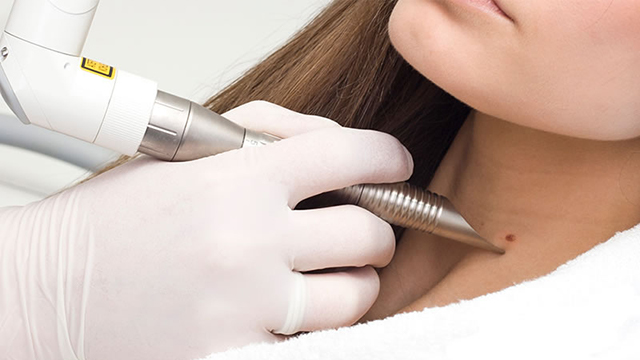
Warts are small skin growths caused by the human papillomavirus. They can appear on the hands, feet, face, neck, or other body parts. Some warts disappear naturally, but many people choose wart removal treatment because of pain, discomfort, or cosmetic reasons. Modern wart removal treatment options are safe, quick, and suitable for different skin types.
Many people feel embarrassed because of visible warts. In some cases, warts can spread to nearby skin or to other people. This is why early wart removal treatment is often recommended. The right method depends on the wart size, location, and skin condition.
Common Causes of Warts on the Skin
Warts develop when the virus enters the skin through small cuts or damaged areas. The virus grows in warm and moist environments. People with weak immunity may develop warts more easily.
Some common causes include:
- Skin-to-skin contact with infected areas
- Sharing towels, razors, or shoes
- Walking barefoot in public places
- Nail biting or scratching the skin
- Excess sweating on hands and feet
Children and teenagers usually get warts more often, but adults can also experience them.
Different Types of Warts
Understanding wart type is important before starting wart removal treatment. Different warts may require different procedures.
Common Warts
These usually appear on fingers and hands. They are rough and hard.
Plantar Warts
These develop on the soles of the feet and can become painful while walking.
Flat Warts
Flat warts are small and smooth. They often appear on the face or forehead.
Filiform Warts
These are long and narrow warts commonly found around the mouth, eyes, or neck.
Genital Warts
These are caused by specific virus strains and need medical evaluation and treatment.
Best Wart Removal Treatment Methods
There are several wart removal treatment methods available today. Doctors select the treatment according to the skin condition and wart type.
Laser Wart Removal Treatment
Laser treatment is one of the most advanced methods. It uses focused light energy to destroy wart tissue. This treatment is commonly used for stubborn or deep warts.
Benefits include:
- Fast procedure
- Minimal bleeding
- Reduced risk of scarring
- Effective for difficult warts
Mild redness or swelling may occur for a few days after treatment.
Cryotherapy for Wart Removal
Cryotherapy freezes the wart using liquid nitrogen. The wart gradually falls off after a few sessions.
Advantages of cryotherapy include:
- Quick treatment sessions
- Suitable for many wart types
- Minimal downtime
Some patients may experience mild discomfort or blister formation temporarily.
Electrocautery Wart Removal Treatment
This procedure burns the wart using controlled electric current. It is commonly recommended for larger warts.
Doctors may combine electrocautery with scraping for better results.
Chemical Wart Removal Treatment
Special chemical solutions help peel away infected skin layers slowly. Salicylic acid is commonly used for this purpose.
This method works best for small and early-stage warts.
Surgical Wart Removal
Large or resistant warts may need surgical removal. The wart is cut out carefully under local anesthesia.
Surgery may leave a small scar depending on wart size and location.
How Much Does Wart Removal Treatment Cost
The wart removal treatment cost depends on many factors. Prices vary according to clinic location, doctor experience, and treatment type.
Factors affecting cost include:
- Number of warts
- Size of the wart
- Treatment sessions required
- Technology used
- Clinic reputation
Laser wart removal treatment is usually more expensive than chemical treatments because of advanced equipment. Cryotherapy and electrocautery costs may vary depending on the treatment area.
Some patients need multiple sessions for complete removal, especially for plantar or stubborn warts.
How Many Sessions Are Needed
The number of wart removal treatment sessions depends on the severity of the condition. Small warts may disappear after one session, while larger or older warts may require repeated treatments.
General estimates include:
- Chemical treatment: several weeks
- Cryotherapy: 2 to 6 sessions
- Laser treatment: 1 to 3 sessions
- Surgical removal: usually one session
Doctors examine the wart carefully before creating a treatment plan.
Recovery After Wart Removal Treatment
Recovery is usually simple and manageable. Most people return to normal activities quickly after wart removal treatment.
Common recovery symptoms include:
- Mild redness
- Temporary swelling
- Slight tenderness
- Skin peeling
Proper aftercare is important for smooth healing and infection prevention.
Important Aftercare Tips
- Keep the treated area clean and dry
- Avoid scratching the skin
- Follow prescribed medications carefully
- Protect healing skin from sunlight
- Avoid touching other warts
Healing time may range from a few days to a few weeks depending on the treatment method.
Possible Side Effects of Wart Removal Treatment
Most wart removal treatment procedures are safe when performed professionally. However, some minor side effects can occur.
Possible side effects include:
- Temporary pain
- Mild skin discoloration
- Blisters after freezing treatment
- Small scars in deeper treatments
Serious complications are rare when treatment is done correctly.
Can Warts Return After Treatment
Yes, warts can sometimes return even after successful wart removal treatment. This happens because the virus may remain inactive inside the skin.
The chance of recurrence depends on:
- Immune system strength
- Wart type
- Skin hygiene habits
- Treatment method used
Early treatment often reduces the risk of spreading or recurrence.
Prevention Tips to Avoid Future Warts
Preventing warts is easier than treating them repeatedly. Good hygiene and skin care habits can lower infection risk.
Helpful prevention tips include:
- Avoid sharing personal items
- Wear slippers in public showers
- Keep hands and feet dry
- Do not scratch existing warts
- Wash hands regularly
- Strengthen the immune system with healthy habits
People with recurring warts should consult a skin specialist for proper evaluation.
When Should You See a Skin Specialist
Professional medical advice is important if:
- The wart becomes painful
- Bleeding occurs
- Home remedies fail
- Warts spread quickly
- The growth changes color or shape
A skin specialist can identify the wart type and suggest the safest wart removal treatment.
Choosing the Right Wart Removal Treatment for Your Skin Type
Every person has different skin needs. Some treatments work better for sensitive skin, while others are more effective for thick plantar warts. Professional consultation helps reduce side effects and improve results.
Modern wart removal treatment methods offer safe and long-lasting improvement for most patients. Early treatment can prevent spreading and improve skin appearance quickly.
Visit Website: https://hashclinics.pk/
Comments