Uganda commonly referred to as the Pearl of Africa is one of the most scenic places in the East Africa. The country has travelers worldwide with its fertile rainforests, varied landscapes and abundant wildlife. Uganda has numerous attractions, the best being the home of more than 1,000 species of birds including some of the most rare and colorful birds in the continent.
However, there is one thing every traveler needs to know before reaching the place with a set of binoculars and a camera: you must get the Uganda eVisa. In this post, we will start by taking you through all the details about the Uganda eVisa how it works, its types and requirements and then talk about the best birdwatching destinations and the best time of the year to visit Uganda.
Understanding the Uganda eVisa
The Uganda eVisa refers to an official electronic travelling permit issued to foreign nationals wishing to visit Uganda in short periods of time either as a tourist, business visitor, visiting family, or as a transit destination. The eVisa was introduced as a way of streamlining the visa process by eliminating the use of paper-based applications and long queues. It enables the travelers to book their visa online and get it delivered electronically in advance.
This implies that you do not need to go to a visa office or undergo any other long process. When the eVisa is approved, it is emailed to you, and can be shown to the immigration officers on arrival in Uganda.
Why Choose an eVisa for Uganda?
Applying for an Uganda eVisa Application is convenient, fast, and secure. Travelers can complete the process from anywhere in the world using a computer, tablet, or smartphone. Here are some key advantages:
- 100% Online Process: No physical paperwork or in-person visits are required.
- Quick Approval Time: Most applications are processed within a few business days.
- Simplified Entry: With an approved eVisa, entry into Uganda becomes hassle-free.
- Accessible to Most Nationalities: Citizens of many countries are eligible to apply online.
Whether you’re visiting Uganda for wildlife safaris, gorilla trekking, or birdwatching, the eVisa makes the entry process smoother and faster.
Types of Uganda eVisas
Uganda offers several types of eVisas depending on your purpose of visit. Here are the most common ones for travelers:
- Single Entry Tourist eVisa
- Valid for one entry into Uganda.
- Typically allows a stay of up to 90 days.
- Best suited for short-term tourism, leisure, and wildlife trips.
- Valid for one entry into Uganda.
- East Africa Tourist eVisa
- A multi-country visa valid for travel to Uganda, Kenya, and Rwanda.
- Perfect for travelers planning to explore East Africa’s top safari destinations.
- Valid for 90 days and allows multiple entries between the three countries.
- A multi-country visa valid for travel to Uganda, Kenya, and Rwanda.
- Multiple Entry eVisa
- Designed for business travelers or frequent visitors.
- Can be valid for 6 months, 1 year, or 2 years depending on your travel needs.
- Designed for business travelers or frequent visitors.
Uganda eVisa Requirements
To apply for the Uganda eVisa, travelers need to prepare a few essential documents. While Uganda eVisa Requirements may vary slightly depending on the visa type, the following are generally needed:
- A valid passport with six months of validity from the date of arrival.
- A recent passport-sized photograph (digital copy).
- Travel details, including accommodation and return flight bookings.
- A scanned copy of the passport’s bio page.
- Payment method (credit/debit card) for the visa fee.
For the East Africa Tourist eVisa, you may also be required to provide details of your itinerary across Uganda, Rwanda, and Kenya.
How to Apply for a Uganda eVisa
The application process is straightforward and can be completed in a few simple steps:
- Visit the official Uganda eVisa application platform.
- Fill in the online form with accurate personal and travel details.
- Upload the required documents such as your passport and photo.
- Pay the visa fee securely online.
- Receive your approved eVisa via email once processed.
You must print or download a copy of the eVisa approval letter to show at the entry point upon arrival in Uganda.
Processing Time and Validity
Uganda eVisa takes 3 to 5 days of business in the majority of cases. It is however advised to apply one week before your traveling date in order to save last minute problems.
After it has been accepted, the eVisa is valid 90 days after the date of its issue, and the traveler should travel to Uganda within 90 days.
Entry Points for Uganda eVisa Holders
Travelers holding a valid Uganda eVisa can enter the country through major airports and selected land borders. These include:
- Entebbe International Airport (main international gateway)
- Busia Border Post (from Kenya)
- Malaba Border Post (from Kenya)
- Mutukula Border Post (from Tanzania)
Having an eVisa ensures a smooth arrival experience and helps avoid unnecessary delays.
Tips for a Smooth eVisa Experience
- Double-check all details before submission to avoid delays.
- Apply early, especially during peak travel seasons.
- Keep a digital and printed copy of your approved eVisa.
- Ensure your passport remains valid for at least six months from your entry date.
With your Uganda eVisa sorted, you’re now ready to explore one of the world’s best destinations for birdwatching and wildlife encounters.
Uganda for Birdwatching Enthusiasts – Best Parks & Seasons
Uganda is paradise to a birdwatcher. It boasts of more than 1,060 species of birds, nearly one tenth of the total number of birds in the world, and half of all species of birds in Africa. Dense rainforests, large wetlands and open savannahs bring endless possibilities to find rare and exotic birds throughout the year in Uganda.
We are going to discuss the best birdwatching parks, the bird species to see, and the best time of the year to have a memorable moment.
Top Birdwatching Parks in Uganda
1. Bwindi Impenetrable National Park
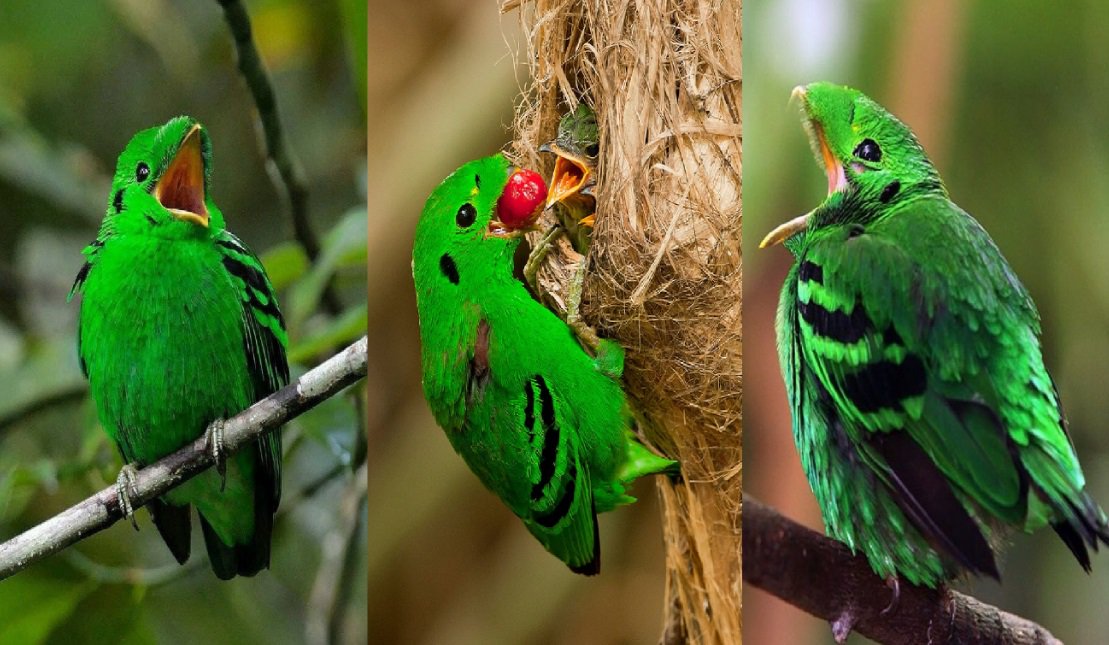
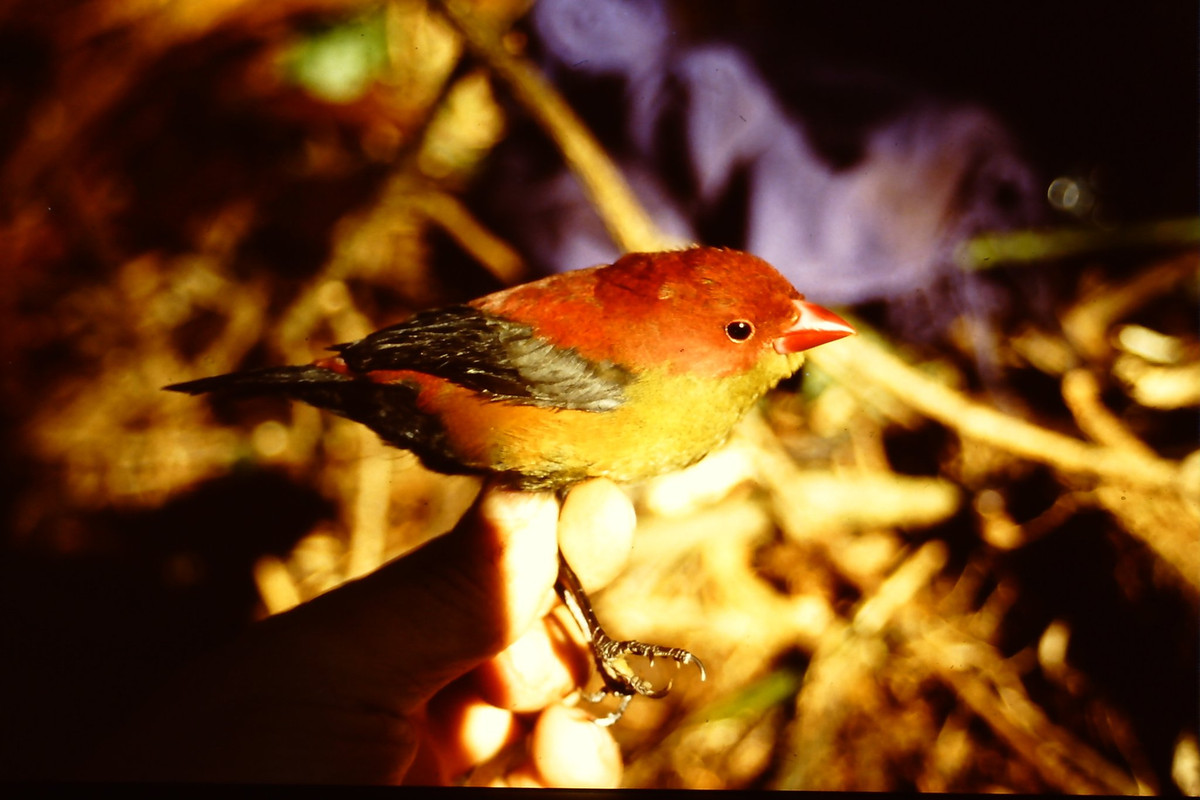
In addition to being a world heritage site by UNESCO, Bwindi Impenetrable Forest is renowned not only due to its mountain gorillas but also due to the diversity of birds it has. In the park, there is a diversity of more than 350 species of birds, 23 of which are endemic species of the Albertine Rift found nowhere else on earth.
Highlight Birds:
- African Green Broadbill
- Shelley’s Crimsonwing
- Short-tailed Warbler
- Handsome Francolin
Best Time to Visit: June to August and December to February.
2. Queen Elizabeth National Park
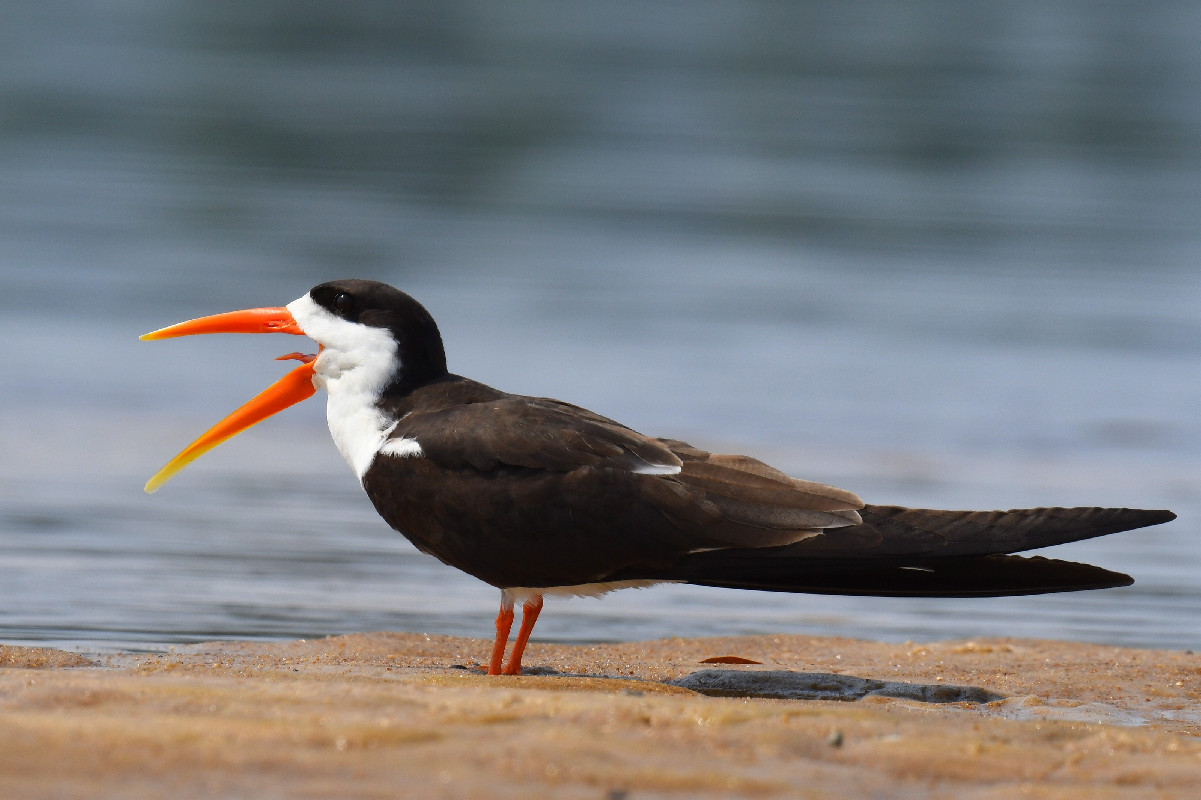
Queen Elizabeth National Park is a popular birdwatching site in Africa, which is found in the western part of Uganda. The park has registered over 600 bird species, and this is the greatest number of birds in any national park in Uganda.
Highlight Birds:
- African Skimmer
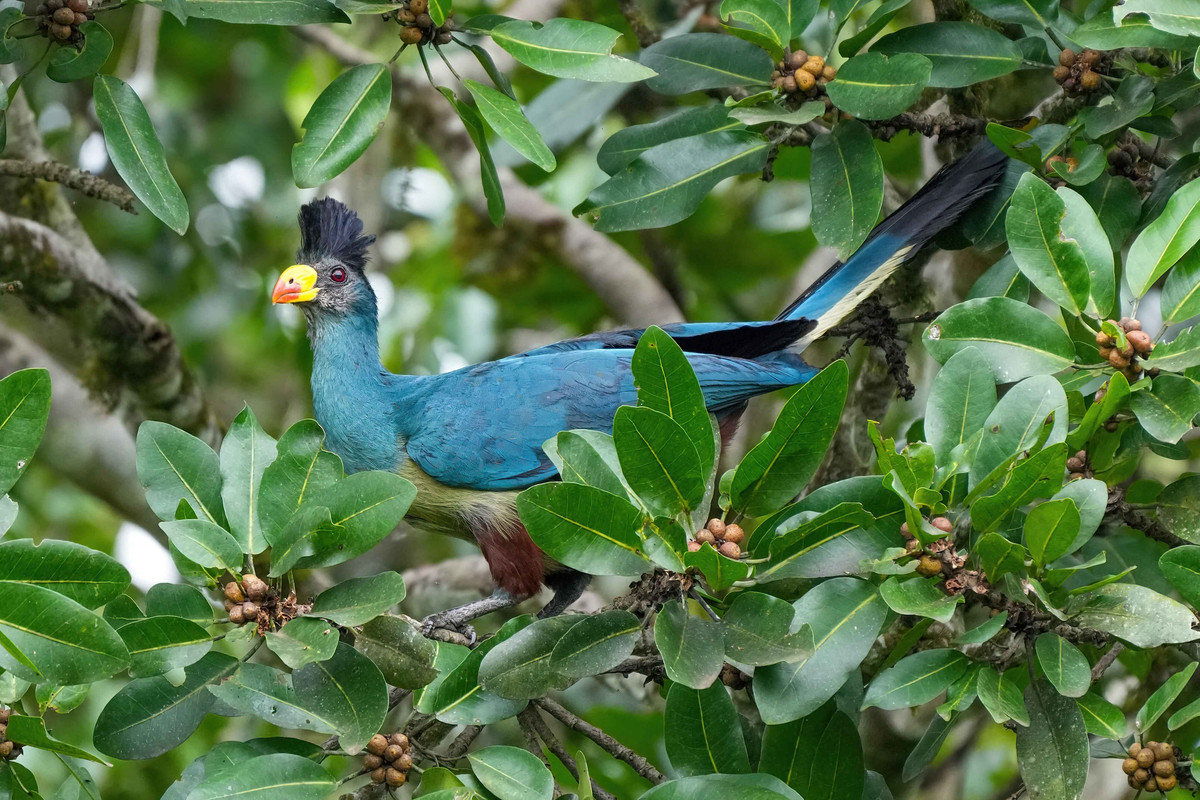
- Great Blue Turaco
- Papyrus Gonolek
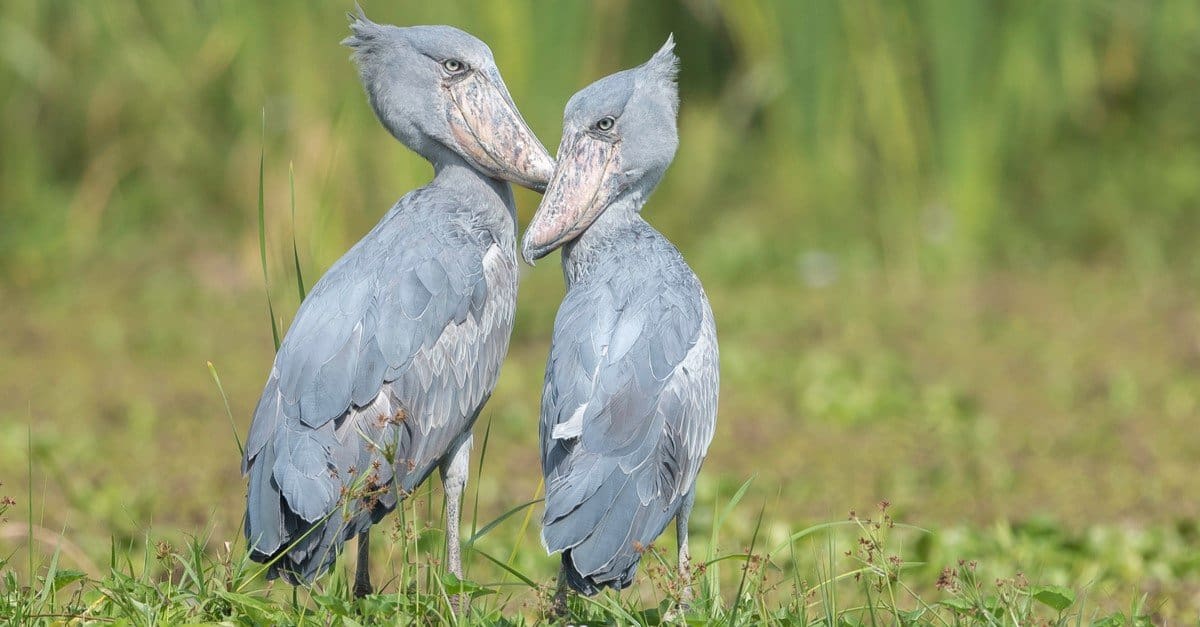
- Shoebill Stork
Best Time to Visit: December to February and May to August.
3. Mabamba Swamp
Should you have the Shoebill Stork on your list of things to do, then the best location is the Mabamba Swamp which is located in Entebbe. This historic wetland is a soothing canoeing experience in which birders can see resident and migrant birds.
Highlight Birds:
- Shoebill Stork
- Blue-breasted Bee-eater
- Goliath Heron
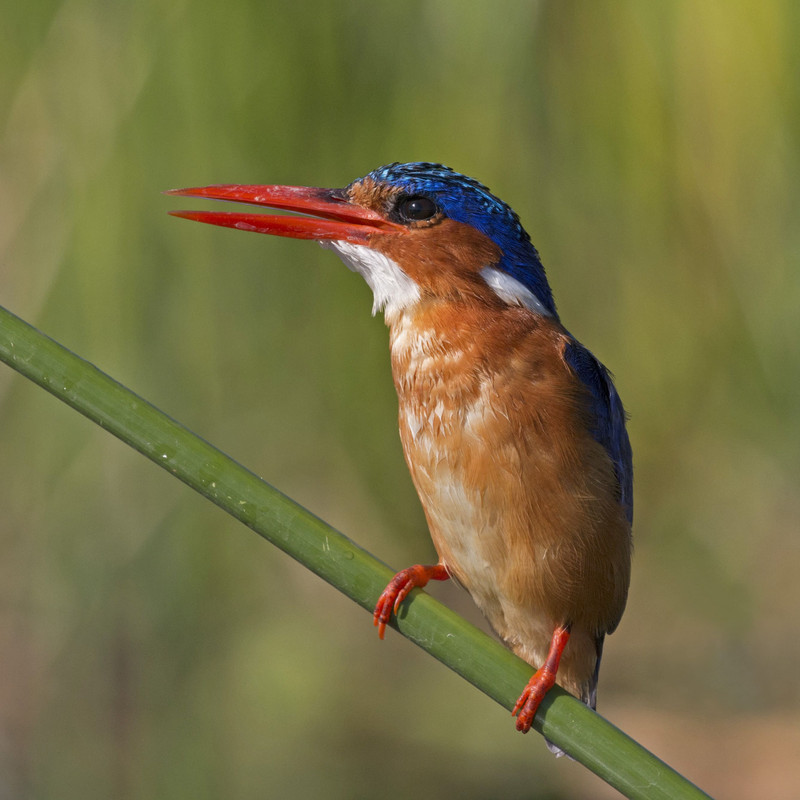
- Malachite Kingfisher
Best Time to Visit: Throughout the year, but mornings are best for Shoebill sightings.
4. Murchison Falls National Park
The Murchison Falls National Park is the largest park in Uganda, and a magnificent birding and wildlife destination. The river Nile is a habitat of numerous waterbirds and the savannah and woodland areas are full of colorful species.
Highlight Birds:
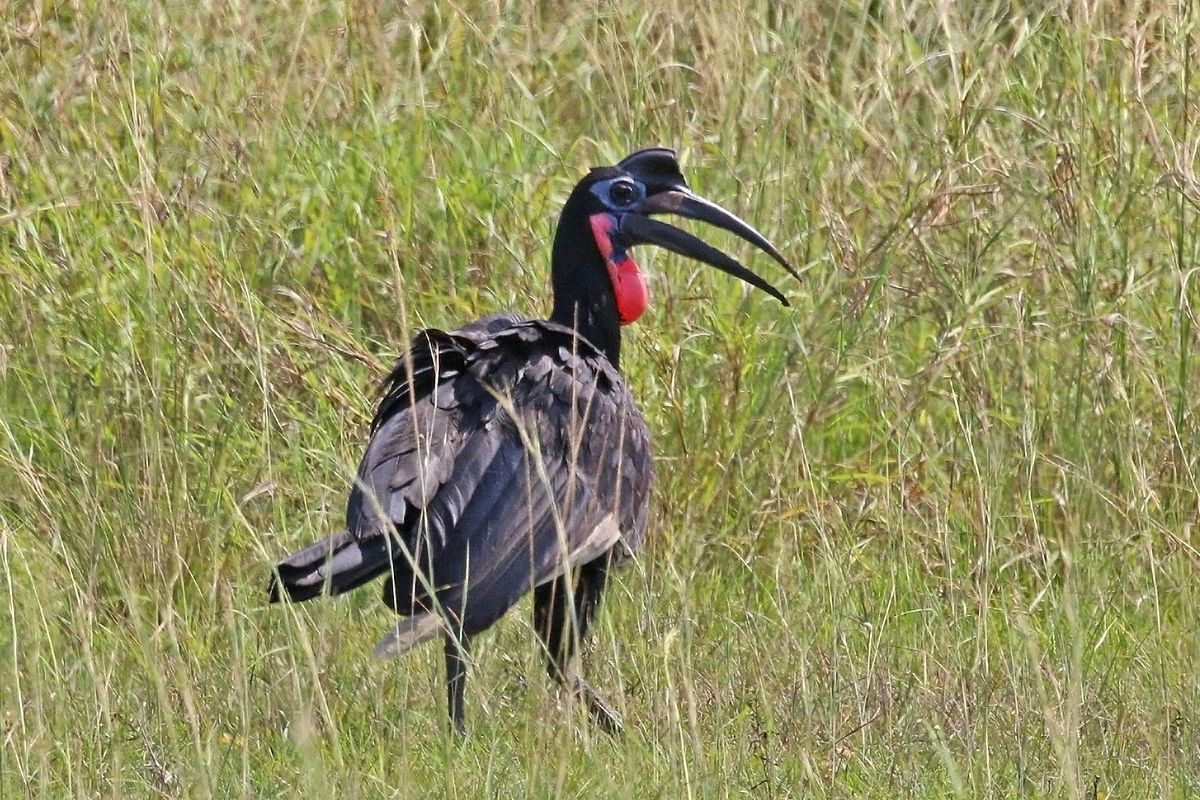
- Abyssinian Ground Hornbill
- African Fish Eagle
- Red-throated Bee-eater
- Giant Kingfisher
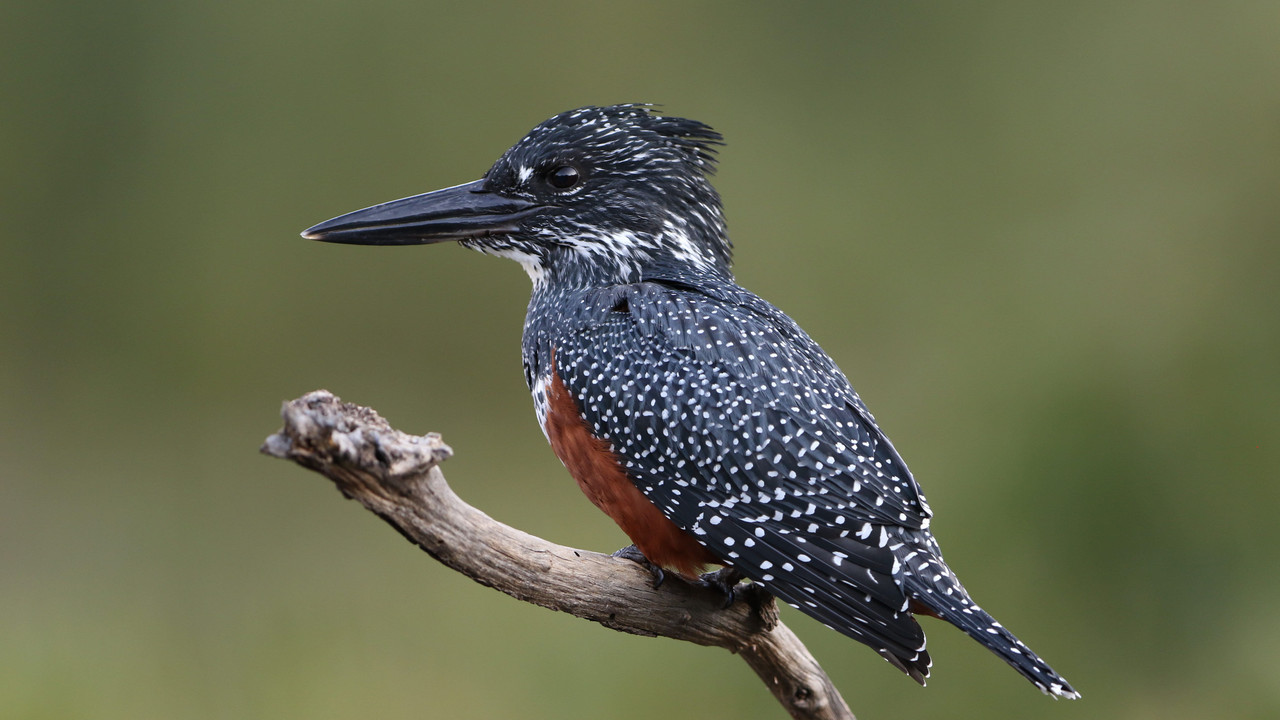
Best Time to Visit: December to February and June to September.
5. Kibale National Park
Kibale National Park is also a birdwatchers haven and it is known as the primate capital of East Africa. The forest is also home to 370 species of birds with some species being endemic to the Albertine Rift.
Highlight Birds:
- Green-breasted Pitta
- Black Bee-eater
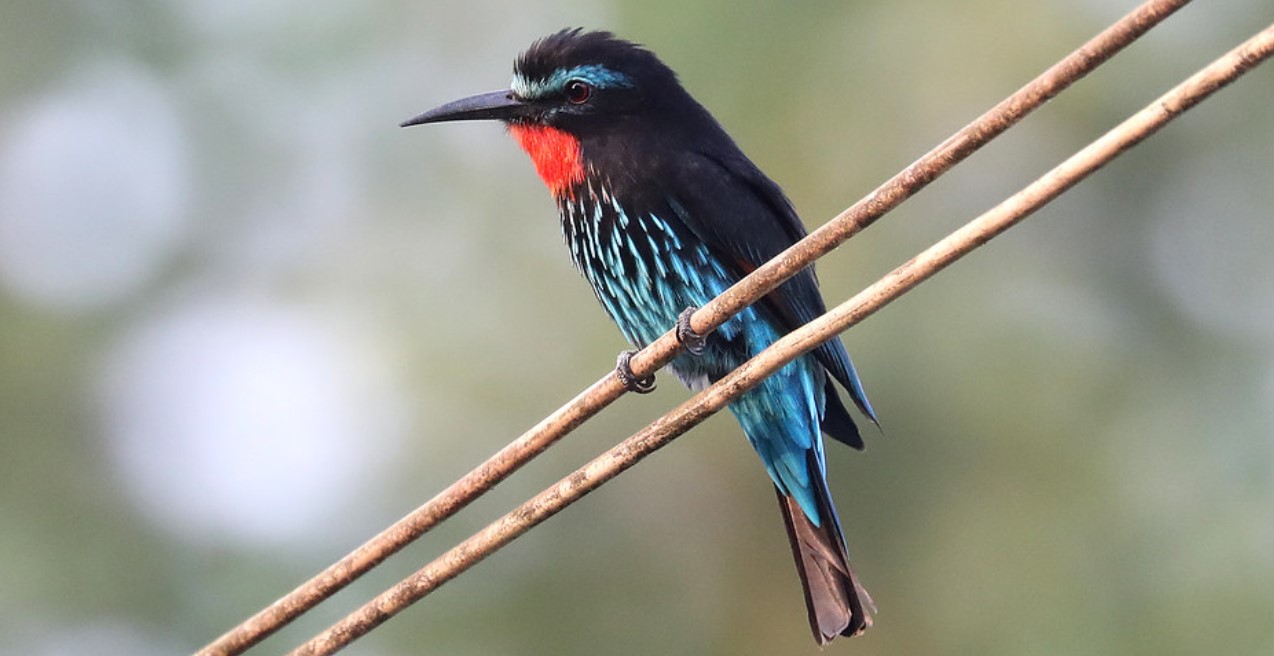
- Yellow-spotted Barbet
- White-naped Pigeon
Best Time to Visit: March to May and September to November (ideal for forest birding).
6. Semuliki National Park
Semuliki National Park, which is located in western Uganda and shares its boundaries with the Congo Basin, is one of the most interesting birding sites in the country. It is commonly known as the paradise of birders because of its species of Congo forest.
Highlight Birds:
- Nkulengu Rail
- Congo Serpent Eagle
- Yellow-throated Cuckoo
- Red-billed Dwarf Hornbill
Best Time to Visit: December to February and June to September.
7. Lake Mburo National Park
Lake Mburo is a smaller park with a wide variety of habitats and is a great place to see birds: more than 310 species can be found in the park. Birds can be observed easily and pleasurably in the open savannahs and lakeshores.
Highlight Birds:
- African Finfoot
- Brown-chested Lapwing
- White-winged Warbler
- Rufous-bellied Heron
Best Time to Visit: June to August and December to February.
Best Seasons for Birdwatching in Uganda
Uganda’s tropical climate makes birdwatching possible year-round, but certain seasons are better for specific experiences:
- Dry Season (December – February, June – August):
Ideal for birdwatching as trails are dry and accessible. Excellent for forest and savannah birding. - Wet Season (March – May, September – November):
Great for spotting migratory birds and witnessing breeding plumage. Forests are lush, and bird activity is high, though some trails may be muddy.
No matter when you visit, Uganda’s birdlife promises breathtaking moments and endless discoveries.
Must-See Birds in Uganda
Some of the most sought-after species for birdwatchers include:
- Shoebill Stork – Uganda’s most iconic bird.
- Green-breasted Pitta – A rare gem found in Kibale Forest.
- Great Blue Turaco – Vibrant and large, often seen in forests.
- African Finfoot – Found in freshwater habitats like Lake Mburo.
- Papyrus Gonolek – Seen near swamps and wetlands.
Spotting even a few of these remarkable species makes a birding trip to Uganda unforgettable.
Conclusion
Uganda is indeed a birdwatchers heaven in a place where tranquil forests collide with endless savannahs, and where rare bird species are found everywhere. Be it in pursuit of the elusive Shoebill at Mabamba Swamp or simply a discovery of the forests of Bwindi, each day is new and full of discoveries and new experiences.
You should have your Uganda eVisa ready before you go on your birdwatching adventure. The super easy online application will allow you to concentrate on what is most important in having the experience of the sights, sounds, and calmness of the stunning nature of Uganda.
Comments