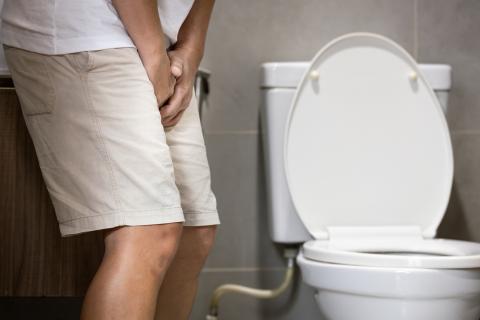
Few conditions are endured as quietly as an overactive bladder. The sudden, urgent need to pass urine - sometimes with little warning, sometimes with leakage before reaching the toilet - reshapes daily life in ways that are rarely discussed. People start mapping every outing around the nearest bathroom, sleeping poorly because of repeated night-time trips, and declining invitations out of worry. Most assume it is simply a part of getting older that must be tolerated. It isn’t. Overactive bladder is a recognised medical condition, and it is highly treatable.
Understanding what drives it, and knowing that effective help exists, is the first step towards getting life back on your own terms rather than the bladder’s.
What overactive bladder really is
Overactive bladder, often shortened to OAB, is a group of urinary symptoms rather than a single disease. Its defining feature is urgency - a sudden, compelling need to urinate that is difficult to postpone. This is often accompanied by frequency (needing to go more than about eight times a day) and nocturia (waking at night to urinate). Some people also experience urge incontinence, where leakage happens the moment the urge strikes. The hallmark is the loss of comfortable control, not the volume of urine passed.
Why it happens
Under normal circumstances, the bladder fills gently and signals the brain only when it is reasonably full, giving plenty of time to find a toilet. In an overactive bladder, the muscle in the bladder wall contracts too early and too forcefully, sending urgent signals even when the bladder is far from full. The result is that sense of ‘I need to go right now’ that is so hard to ignore.
Often no single cause is found, but several factors are known to contribute. Ageing, nerve-related conditions such as diabetes, Parkinson’s disease or stroke, and urinary infections can all trigger symptoms. In men, an enlarged prostate is a very common contributor, as it obstructs the flow of urine and gradually makes the bladder more irritable and overactive. In women, hormonal changes and the effects of childbirth can play a part. Caffeine, alcohol and fizzy drinks are frequent aggravators in almost everyone.
The symptoms worth acting on
It is worth distinguishing ordinary habits from genuine symptoms. Needing the toilet frequently, feeling unable to hold on, leaking before you arrive, and waking repeatedly at night to urinate are all signs that the bladder is no longer behaving as it should. None of these is simply ‘normal ageing’ to be accepted. They are reasons to seek assessment, particularly if they are affecting sleep, work or social life.
A few symptoms warrant prompt attention rather than a wait-and-see approach: blood in the urine, pain on passing urine, a sudden change in long-standing habits, or an inability to pass urine at all. These deserve a doctor’s review without delay, as they can point to other conditions that need treating in their own right.
How it is assessed
Evaluating an overactive bladder is simple and reassuring. It usually begins with a conversation about symptoms and a urine test to rule out infection. Doctors often ask patients to keep a short ‘bladder diary’ for a few days, noting how much they drink, how often they pass urine and when urgency or leakage occurs. This inexpensive record is remarkably informative and helps tailor treatment. In some cases, an ultrasound to check how well the bladder empties, or more detailed bladder-function tests, may be recommended.
Treatment: far more than medication
The encouraging reality is that overactive bladder can be treated effectively, usually in stages and starting with the simplest measures. Many people improve with lifestyle and behavioural changes alone: cutting back on caffeine, alcohol and fizzy drinks; adjusting the timing (not the total amount) of fluids; losing excess weight; and stopping smoking, which irritates the bladder.
Bladder training - gradually extending the time between toilet visits to retrain the bladder to hold more - is one of the most effective techniques, and pelvic-floor exercises strengthen the muscles that support bladder control in both men and women. Where these are not enough, several well-established medications can calm an overactive bladder muscle. For symptoms that persist despite these steps, advanced options such as bladder injections of botulinum toxin, or nerve-stimulation therapies, offer real relief - and where an enlarged prostate is the underlying driver in men, treating that often resolves the bladder symptoms too.
You don’t have to plan your life around the bathroom
The greatest obstacle to treating an overactive bladder is not the condition itself but the silence surrounding it. Embarrassment keeps millions of people from mentioning symptoms that could be substantially improved in a matter of weeks. Yet this is one of the most responsive conditions in urology, with a clear ladder of treatments from simple habit changes to highly effective procedures.
If a constant urge to urinate, interrupted sleep or the fear of leakage is shaping your days, it is worth a conversation with a urologist. The assessment is straightforward, the treatments are effective, and the goal is simple: to let you drink a coffee, sit through a film or sleep through the night without the bladder dictating the terms.
This article is for general information only and is not a substitute for professional medical advice. Anyone experiencing persistent or severe symptoms should consult a qualified doctor.
About the Author
Dr. Anish Kumar Gupta is a Consultant Urologist and Andrologist in Delhi NCR (MBBS, MS, DNB Urology) with more than 20 years of clinical experience. He is Director of the Centre for Urology and Andrology at North Delhi Nursing Home, Ashok Vihar, with special interests in andrology, men’s health, paediatric urology and minimally invasive stone surgery. Learn more at dranishgupta.com
Comments