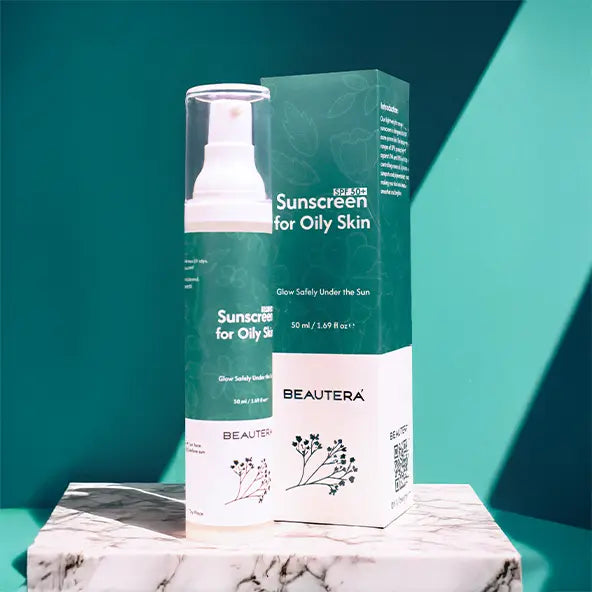
Finding the right sunscreen can be challenging when your skin becomes shiny within a few hours. Many people with oily skin avoid sunscreen because they believe it makes their face feel greasy or causes breakouts. The truth is that choosing the right product can make a big difference. best sunscreens for oily skin Beautera: Important Factors to Consider Before Choosing is a topic that helps people understand how to protect their skin without adding unnecessary oil or discomfort. A lightweight sunscreen can shield the skin from harmful UV rays while keeping the face fresh and comfortable throughout the day.
Why Oily Skin Still Needs Daily Sun Protection
Many people think that oily skin naturally protects itself from the sun, but this is not true. Every skin type can experience sun damage. Harmful ultraviolet rays can lead to uneven skin tone, dark spots, early wrinkles, and loss of skin elasticity. Daily sunscreen creates a protective barrier that helps reduce these problems.
People with oily skin often spend time outdoors for work, studies, or daily activities. Even when staying indoors, sunlight entering through windows can affect the skin. This is why applying sunscreen every morning should become a regular habit regardless of the weather.
Understanding the Needs of Oily Skin
Oily skin produces more natural oil than other skin types. This excess oil can mix with dirt, sweat, and makeup, making the face appear shiny. A heavy sunscreen may increase this feeling and clog pores.
The ideal sunscreen for oily skin should feel light, absorb quickly, and leave little or no greasy residue. It should help control shine instead of adding extra moisture that is not needed. Understanding your skin type before buying a sunscreen makes it much easier to find the right option.
Texture Is One of the Most Important Factors
The texture of sunscreen plays a major role in daily comfort. Thick creams can sometimes feel heavy, especially during hot weather. Lightweight lotions, gels, and fluid formulas often work better for oily skin because they spread evenly and absorb faster.
A smooth texture also makes sunscreen easier to wear under makeup or other skincare products. When the product feels comfortable, people are more likely to apply it every day without skipping.
Choose a Non-Greasy Formula
One of the biggest concerns for oily skin is excessive shine. A non-greasy sunscreen reduces the sticky feeling that many people dislike. Modern sunscreen formulas are designed to protect the skin without leaving an oily layer on the surface.
A fresh finish helps the face look cleaner throughout the day and makes reapplication much more comfortable. This is one reason why many people search for the Best Sunscreens for Oily Skin before making a purchase.
Look for Non-Comedogenic Products
People with oily skin often experience clogged pores and acne. Choosing a non-comedogenic sunscreen is important because these products are created to reduce the risk of blocking pores.
Although no product can guarantee that breakouts will never happen, selecting formulas designed for acne-prone skin can help lower the chances of irritation. Reading the product label carefully before buying is always a good idea.
Broad Spectrum Protection Matters
A good sunscreen should protect the skin from both UVA and UVB rays. UVA rays contribute to premature aging while UVB rays are mainly responsible for sunburn. Broad spectrum protection covers both types and offers more complete defense.
Daily exposure to these rays can gradually affect the skin even if you do not notice immediate changes. Consistent protection helps maintain healthier-looking skin over time.
Selecting the Right SPF
SPF measures the level of protection against UVB rays. Many dermatologists recommend using SPF 30 or higher for everyday activities. Higher SPF may provide additional protection for people who spend longer periods outdoors.
However, applying enough sunscreen and reapplying it during the day are just as important as choosing the SPF number. A high SPF product will not perform well if only a small amount is applied.
Water and Sweat Resistance
People with oily skin may sweat more during hot weather. Sweat can reduce the effectiveness of sunscreen if it is not water resistant.
Choosing a sunscreen with water and sweat resistance can help maintain protection during outdoor activities. Even so, sunscreen should still be reapplied after heavy sweating or washing the face.
Pay Attention to the Ingredients
Reading the ingredient list can help you make a better decision. Some lightweight ingredients help create a comfortable finish while others provide hydration without feeling heavy.
People with sensitive skin should also avoid ingredients that have previously caused irritation. Performing a patch test before using a new sunscreen can prevent unwanted reactions.
Comfort During Daily Wear
A sunscreen may have excellent protection, but if it feels uncomfortable, most people will stop using it. Comfort is one of the biggest reasons people continue their skincare routine.
A lightweight sunscreen should spread easily, absorb quickly, and leave the skin feeling fresh instead of sticky. Comfortable products also work well under makeup and other skincare items.
Climate Can Affect Your Choice
Hot and humid weather often increases oil production. In these conditions, lighter sunscreen formulas usually perform better. Cooler weather may allow slightly richer formulas without creating excessive shine.
Choosing a sunscreen according to your local climate can improve comfort and encourage consistent daily use.
Reapplication Is Essential
Many people apply sunscreen only once in the morning. Unfortunately, protection decreases as the day goes on, especially after sweating or spending time outdoors.
Reapplying sunscreen every few hours helps maintain protection throughout the day. This habit is just as important as selecting the right formula.
How to Include Sunscreen in Your Routine
Sunscreen should be the final step of your morning skincare routine before makeup. Cleanse your face, apply any serums or moisturizer if needed, and then finish with sunscreen.
Allow the sunscreen a few minutes to absorb before applying foundation or other cosmetic products. This helps create a smoother finish and improves overall comfort.
Common Mistakes to Avoid
Some people use only a tiny amount of sunscreen because they worry about feeling greasy. Others forget to cover areas such as the neck, ears, and hairline. These small mistakes reduce the level of protection.
Skipping sunscreen on cloudy days is another common error because ultraviolet rays can still reach the skin even when the sun is not visible.
Conclusion
Choosing the right sunscreen becomes much easier when you understand your skin's needs. Paying attention to texture, SPF, broad spectrum protection, non-greasy formulas, and non-comedogenic ingredients can help you enjoy comfortable daily sun protection. Building a consistent sunscreen routine is one of the simplest ways to support healthy-looking skin throughout the year.
Best Sunscreens for Oily Skin: Important Factors to Consider Before Choosing should always be part of your skincare research before buying any product. A lightweight, comfortable sunscreen that matches your skin type makes daily protection easier, reduces excess shine, and supports healthier skin in every season. Making a thoughtful choice today can lead to better skin care habits and long-term confidence.
Order now at https://beautera.co/
Trusted Beauty Products | Fast and Affordable Shipping
Comments